
Working with Your Care Team
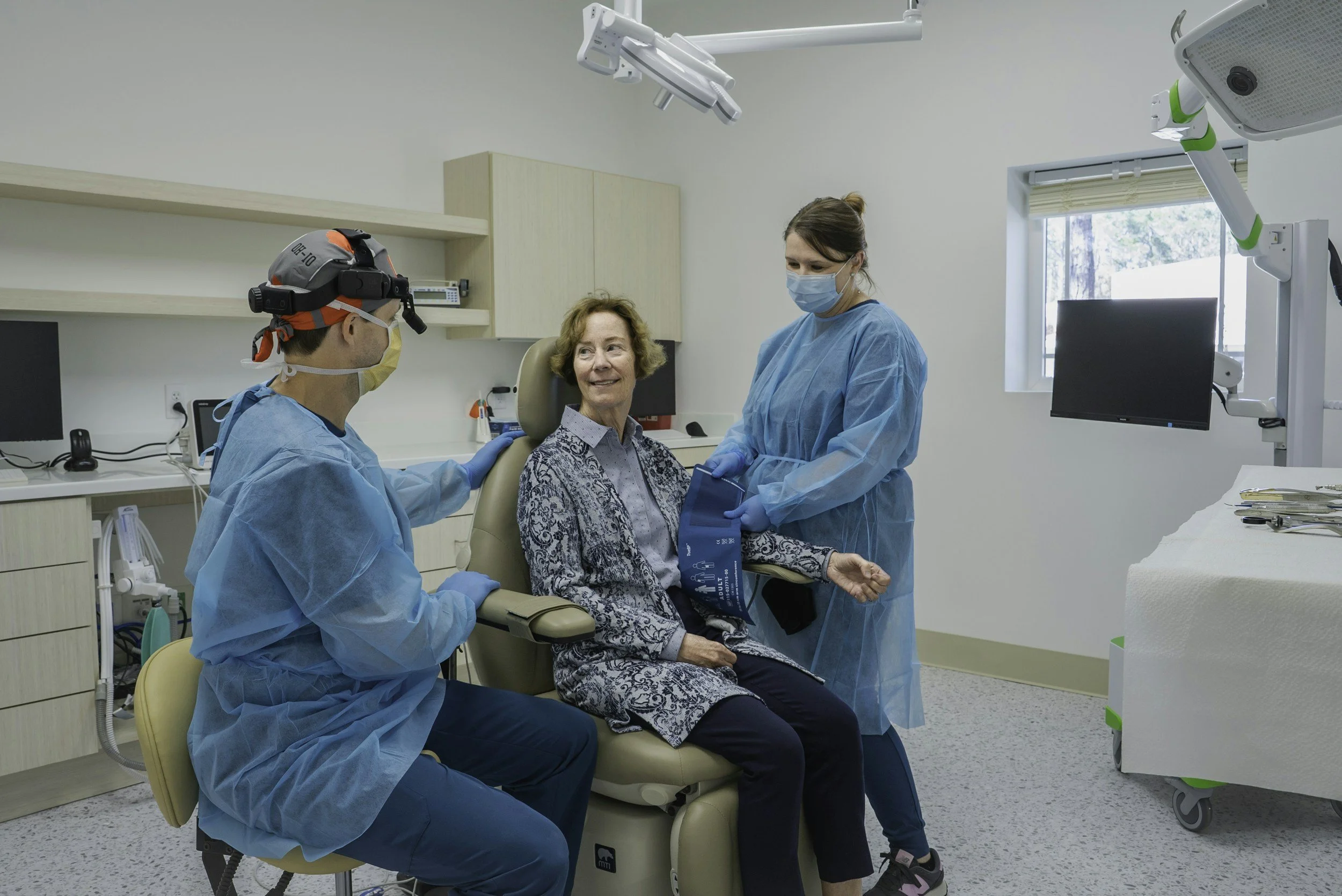
With You Every Step: Before, During and After Your Procedure
At SacSolano Anesthesia, we view every patient’s care as a sacred trust. It is our privilege to be part of your healthcare journey, and we take seriously the responsibility of caring for you during life’s most vulnerable moments.
Our team is dedicated to easing your worries, keeping you comfortable, and ensuring the best possible experience before, during, and after your procedure.
Individualized Anesthesia Care
Thanks to advances in anesthesia, patients today recover more comfortably after surgery than ever before. However, anesthesia medications may remain in your system for up to a day after your procedure, and you may continue to feel some effects until they are fully cleared.
How We Care for You During Surgery
Your safety and comfort are our top priorities. Our anesthesia team is with you every step of the way, making sure you’re cared for before, during, and after your procedure. Here’s how we do it:
Carefully review your health history and order any necessary tests
Choose the safest and most appropriate anesthesia plan tailored to you
Administer anesthesia and continuously monitor your vital signs
Support or manage your breathing throughout the procedure
Make adjustments as needed to keep your blood pressure, heart rate, and temperature stable
Provide fluids, transfusions, and other medications (such as antibiotics or blood thinners) as needed
Adjust the level of anesthesia based on your response during surgery
Wake you up gently and comfortably at the end of the procedure
Oversee your recovery in the Recovery Room to ensure everything is going smoothly
Preparing for Your Surgery
Working closely with your care team helps ensure a safe and smooth surgical experience. There are a few important steps you may need to take before your procedure:
Medications
Some medications must be stopped or adjusted before surgery. It is very important to review all medications, supplements, and vitamins you take with your surgeon and physician. Examples that often require discussion include:
Blood thinners: Warfarin (Coumadin), Enoxaparin (Lovenox), Clopidogrel (Plavix), Persantine
Blood pressure medications: Lisinopril (should be stopped 24 hours before surgery)
Other medications: Fosamax, Monoamine Oxidase Inhibitors (MAOIs – discuss at least 14 days prior)
Supplements: Vitamins, minerals, herbal or holistic supplements (discuss at least 14 days prior)
Pain relievers/anti-inflammatories: Aspirin, ibuprofen (Motrin, Advil), and similar medications
Always confirm with your physician which medications should be continued or stopped.
Preoperative Visit
Before surgery, you will meet with your anesthesia clinician—this may be the day of surgery, the day before, or during a scheduled pre-op appointment. During this visit, your clinician will:
Review your medical history in detail
Discuss anesthesia options, including risks and safety measures
Answer your questions and address any concerns
Order any necessary tests (such as bloodwork, ECG, or x-rays)
This preparation ensures that your care team fully understands your health needs and that you feel informed, comfortable, and supported going into your procedure.
Bring a List of Your Medications
Please bring a complete list of all medications you are currently taking—or have taken recently—to your preoperative visit. Be sure to include the name, dose, and frequency from the medication label. (For example: “Metoprolol 100 mg once daily.”)
Sharing this information with your clinician is very important. Along with your medical history and test results, your medication list helps guide safe and accurate decisions about your anesthesia care.
The Night Before
For your safety, it’s important to have an empty stomach before anesthesia. Anesthetics can temporarily stop your body’s natural reflexes that protect your lungs, so food or liquid in your stomach could put you at risk.
That’s why you will be asked to fast (no food or drink) before your procedure. Please follow these instructions carefully—if you don’t, your surgery may need to be delayed or rescheduled.
SacSolano Anesthesia follows the American Society of Anesthesiologists’ guidelines for preoperative fasting:
Fasting Guidelines
Up to 8 hours before surgery – You may eat a regular meal.
Up to 6 hours before surgery – You may have:
A light snack (toast without butter, or fat-free crackers)
Milk or infant formula
Cereal with milk
Up to 4 hours before surgery – Infants may have breast milk.
Up to 2 hours before surgery – You may have clear liquids such as:
Water
Gatorade
7-Up
Fruit juice without pulp (like apple or cranberry juice)
Important to Know
These guidelines apply to healthy patients having elective procedures.
Fatty, fried, or heavy meals (like meat) take longer to digest. If you’ve had one, you may need 8+ hours of fasting—your doctor will let you know.
Always follow the specific instructions from your doctor, even if they differ from the general guidelines.
After Your Surgery
Going Home After Surgery
If you are discharged the same day as your procedure, here are some important tips to support a safe and comfortable recovery:
Have support: Arrange for a responsible adult to stay with you for the first 24 hours.
Rest and recover: Give your body time to heal and avoid overexertion.
Stay hydrated and eat light: Sip small amounts of fluids and eat light meals to reduce nausea.
Move gently: Do light, progressive activity as recommended.
Manage pain wisely: Take pain medications exactly as directed by your surgeon. To avoid nausea, do not take them on an empty stomach. Since many pain medicines can cause constipation, a stool softener may be helpful.
Breathe deeply: After general anesthesia, frequent deep breaths help expand your lungs and lower the risk of complications.
Soothe a sore throat: A mild sore throat is common after general anesthesia. Ice chips or cool, non-carbonated fluids can provide relief.
Avoid risky activities: For the first 24 hours, do not drive, drink alcohol, operate heavy equipment, or make important decisions.
Return to work: Follow the guidance of your surgeon and family doctor on when it’s safe to resume normal activities.
Expect some side effects: Recovery varies depending on your health and the type of surgery.
Your surgeon will provide detailed discharge instructions. If you have any questions or concerns, please contact the facility or our anesthesia team—we’re here to help.
Still Have Questions About Anesthesia?
We know preparing for surgery can feel overwhelming, and you may have questions about what to expect. To help, we’ve put together resources that explain anesthesia in clear, simple terms:
Understanding Anesthesia – Learn about the different types of anesthesia and how they keep you safe and comfortable.
Frequently Asked Questions (FAQ) – Find answers to common concerns about anesthesia, recovery, and safety.
If you still have questions after reviewing these resources, please don’t hesitate to reach out to your physician or our anesthesia team. We are here to guide and support you every step of the way.